Key Takeaways
- The verdict: Big walk-in shower in the primary bath, keep a tub in a secondary/family bath
- Walk-in shower install: $6,000-$15,000 in Kansas City
- Tub-to-shower conversion: $7,000-$12,000
- Resale rule: Keep at least ONE bathtub in the home, an all-shower house can hurt resale
- Aging in place: Curbless walk-in showers are the safest, most future-proof choice
"Should we rip out the tub and put in a walk-in shower?" I get asked this on almost every bathroom remodel walkthrough in Kansas City. It's a great question, and the honest answer is: it depends on which bathroom you're standing in.
I've been remodeling bathrooms in the Kansas City metro for 15 years. My team has done hundreds of tub-to-shower conversions, fresh walk-in shower builds, and tub installs. There's no single right answer for every home, but there is a right answer for each bathroom, and that's what this guide is about. We'll walk through cost, resale, accessibility, space, and cleaning so you can decide with confidence instead of guessing.
The National Kitchen & Bath Association (NKBA) has tracked the shift toward larger, curbless showers in primary bathrooms for years, while resources like This Old House's bathroom guides still recommend keeping a tub in the home. Both can be true at once, and that's the key insight.
The Quick Answer (Read This First)
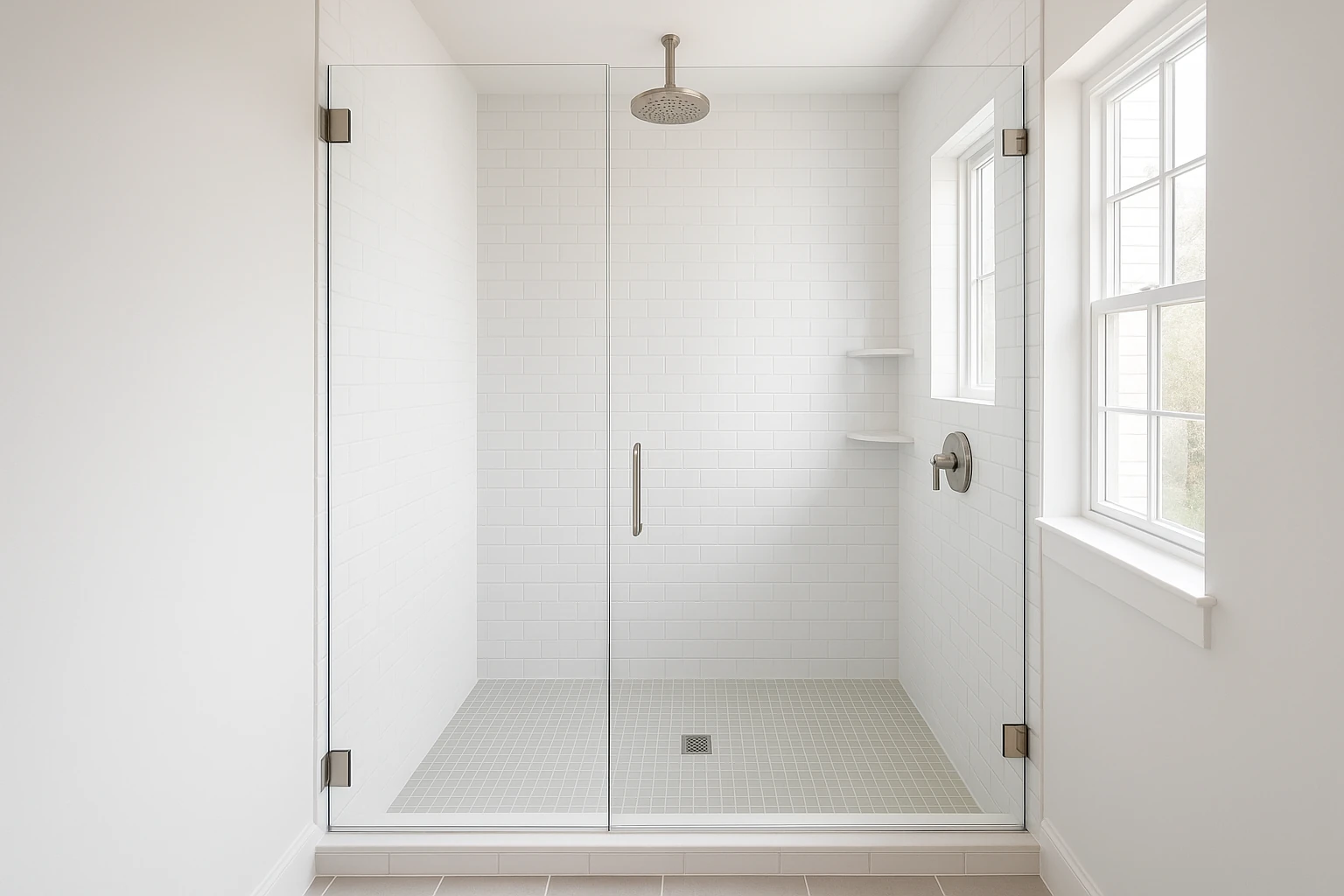
Put a generous walk-in shower in your primary or ensuite bathroom, where you'll use and enjoy it every day. Then keep at least one bathtub somewhere else in the house, usually a secondary or family bathroom. This combination gives you the luxury and accessibility of a walk-in shower without sacrificing the resale and practicality of a tub. If you only remember one thing from this article, remember that.
Walk-In Shower
$6,000 - $15,000A spacious, open shower with no tub to step over. The go-to choice for daily comfort, accessibility, and a modern, high-end look.
Typically includes:
- • Tiled walls and shower pan (or curbless base)
- • Glass enclosure or panel
- • Built-in niche, bench, and grab bars
- • Handheld plus fixed showerhead
Conversion cost
$7,000 - $12,000 (from a tub)
Best for
Primary baths, aging in place, daily showerers
Bathtub
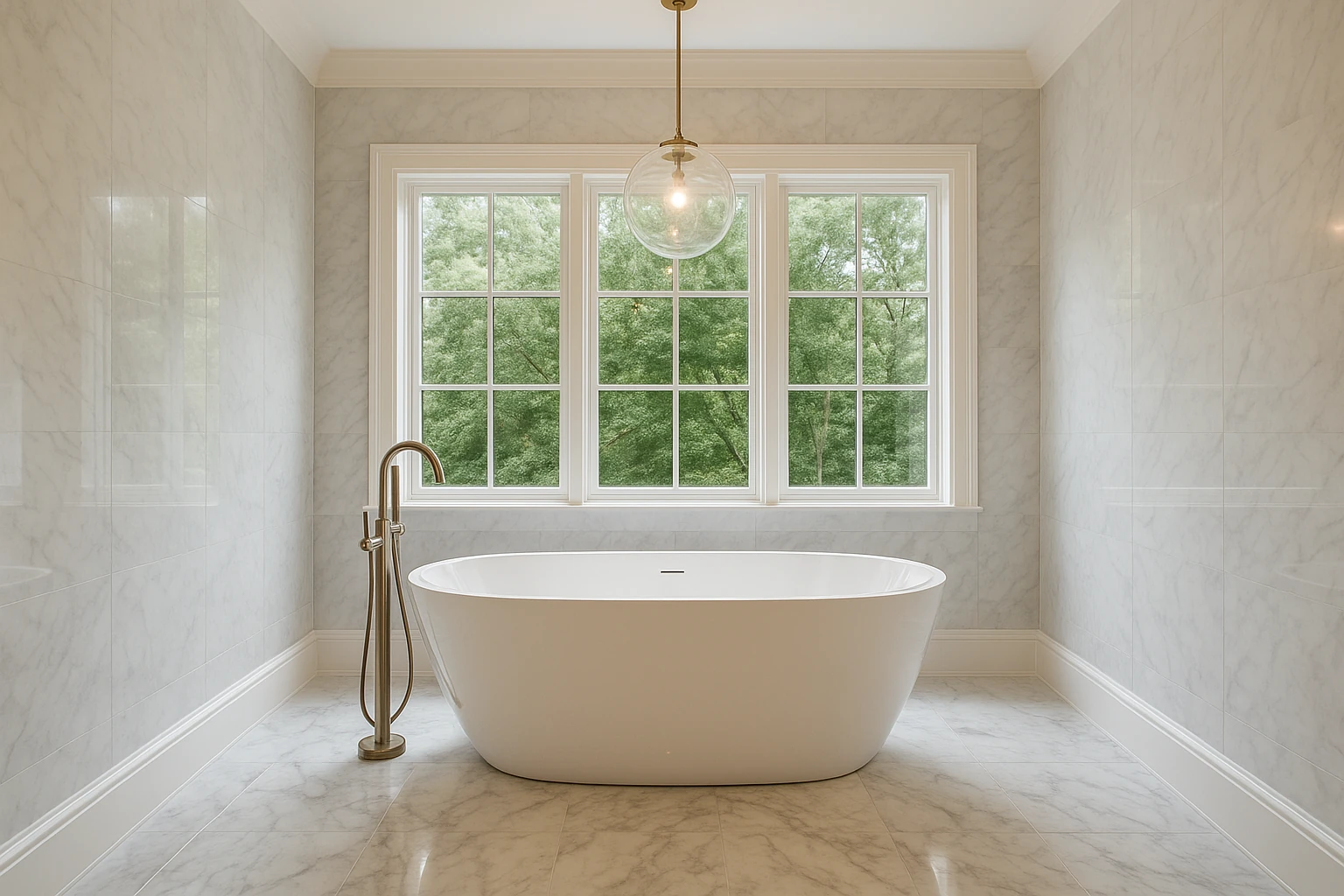
$3,000 - $9,000A soaking tub or tub-shower combo. Less glamorous day-to-day, but essential for bathing young kids, pets, and protecting your home's resale appeal.
Typically includes:
- • Alcove, drop-in, or freestanding tub
- • Tile or acrylic surround
- • Tub-shower combo option
- • Soaking depth for relaxation
Freestanding tub
$5,000 - $12,000+
Best for
Family baths, homes with young kids, resale
Cost: What You'll Actually Spend
Cost is usually the first question, so let's get specific with Kansas City numbers. A brand-new walk-in shower install runs $6,000 to $15,000 depending on size, tile selection, glass, and whether you go curbless. A standard tub-to-shower conversion runs $7,000 to $12,000 because it includes demolishing the old tub, reworking the surround, and adjusting the drain and plumbing. You can dig into the full picture in our Kansas City bathroom remodel cost guide.
On the tub side, simply keeping and refreshing an existing tub (new surround, fixtures, and reglazing) is the cheapest path at roughly $1,500 to $4,000. Replacing a tub with a new alcove or drop-in model runs $3,000 to $9,000, and a luxury freestanding soaking tub can reach $12,000 or more once you add the right faucet and tile work.
For a broader national reference point, HomeAdvisor's bathroom remodel cost data tracks the same general ranges, though Kansas City labor tends to run 10-15% below coastal markets, so your dollar stretches further here.
| Factor | Walk-In Shower | Bathtub |
|---|---|---|
| Cost (KC) | $6,000 - $15,000 install | $3,000 - $9,000 ($1.5K to refresh) |
| Resale | Great in the primary bath | Keep at least one in the home |
| Accessibility | Best (curbless = no step-over) | Hardest to enter safely |
| Space | Feels open, flexible footprint | Fixed ~5 ft footprint |
| Cleaning | Easier with large-format tile | Basin plus surround to scrub |
| Best for | Primary bath, aging in place | Family bath, young kids, resale |
Resale: The Tub Rule Every Homeowner Should Know
This is the part homeowners most often get wrong, so I want to be blunt about it. Keep at least one bathtub in your home. An all-shower house can genuinely hurt your resale value in the Kansas City market. Buyers with young children almost always want a tub for bathing kids, and when they tour a home with zero bathtubs, many of them simply cross it off the list.
The good news is this doesn't mean you have to give up your dream walk-in shower. The ideal setup in most Kansas City homes is a large, beautiful walk-in shower in the primary bathroom and a tub (often a simple tub-shower combo) in a secondary or hall bath. That way the home still "checks the box" for tub-wanting buyers while you enjoy the shower you actually use.
If your home has three or more bathrooms, you have even more freedom, you can have a soaking tub in one, a tub-shower combo in another, and a luxury walk-in shower in the primary. The mistake is only ever converting your last remaining tub.
Accessibility & Aging in Place
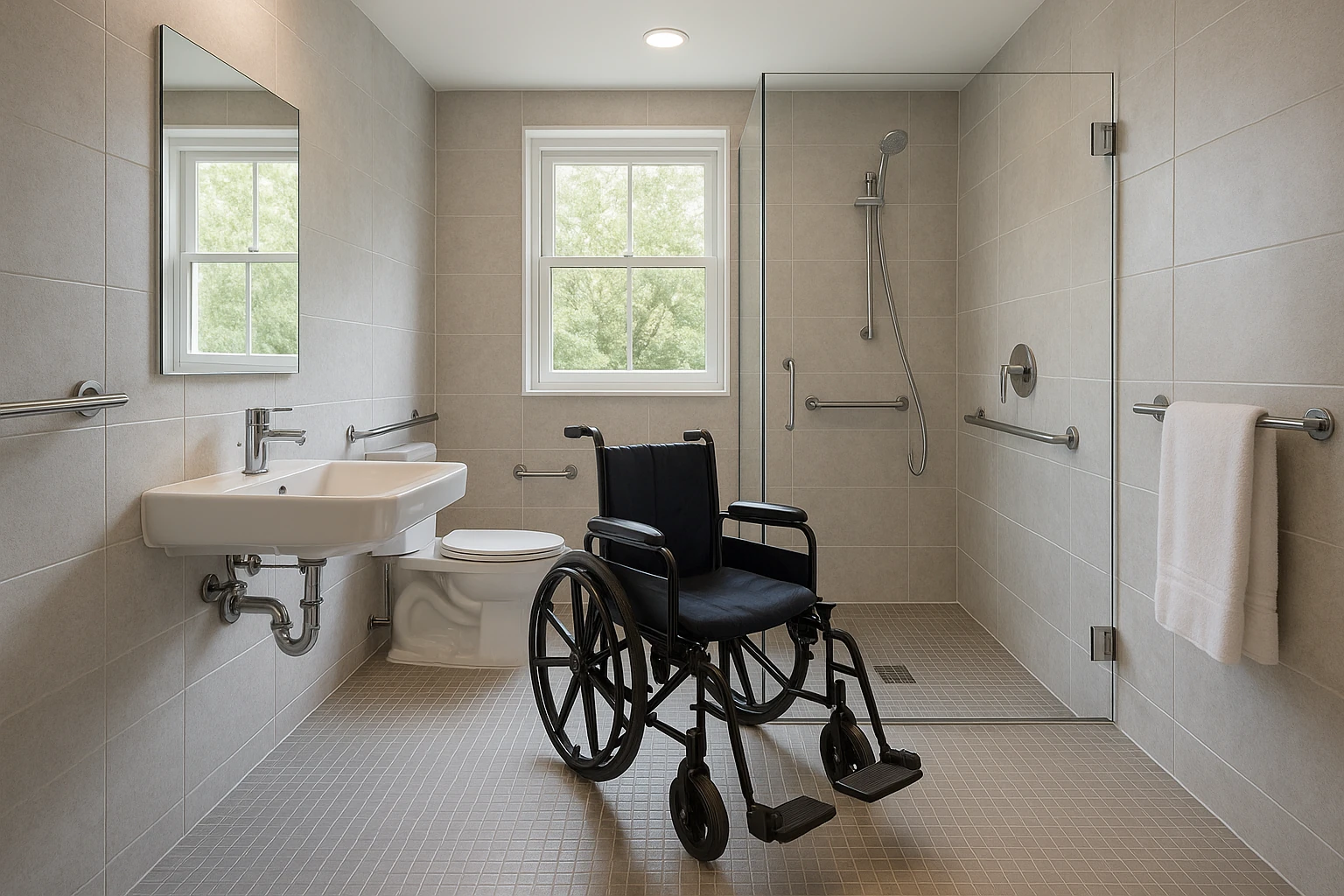
If you plan to stay in your home as you get older, accessibility should weigh heavily in this decision. Stepping over a tub wall is the most common cause of bathroom falls for older adults, and that risk only grows over time. A curbless (zero-threshold) walk-in shower eliminates that step entirely, letting you walk or roll straight in.
When we build a walk-in shower for aging in place, we add grab bars, a built-in bench, a handheld sprayer on a slide bar, slip-resistant tile, and a curbless entry. Done right, it looks like a high-end spa shower, not a medical fixture, and it works for the whole family for decades.
Space & Footprint
A standard alcove tub is about 5 feet long and 30 inches deep. A walk-in shower can drop into that exact footprint, or expand if you have the room. In smaller bathrooms, a glass-enclosed walk-in shower usually feels more open than a tub-shower combo, because the clear glass lets your eye travel across the whole space instead of stopping at a shower curtain.
That said, if your bathroom is genuinely tight and it's the only full bath in the house, a tub-shower combo is often the smartest use of the space, it gives you both functions in one footprint and protects resale.
Cleaning & Maintenance
Day to day, a well-designed walk-in shower is usually easier to keep clean than a tub-shower combo. Large-format tile means fewer grout lines, frameless glass beats a grimy sliding-door track, and a single-piece shower pan gives soap scum fewer places to hide. Tubs, by contrast, mean scrubbing both the basin and the surround, and combos add a curtain or door track to the chore list.
The one maintenance note for showers: glass shows water spots. A daily squeegee or a glass coating keeps it looking sharp with minimal effort.
Who Each One Is Right For
Here's the simplest way to think about it when you're standing in your own bathroom:
Choose a Walk-In Shower If...
- It's your primary/ensuite bath and you shower daily
- You're planning to age in place – go curbless
- You never use the existing tub – convert that dead space
- You want easier cleaning and a modern look
- The home still has another tub for resale
Keep (or Add) a Bathtub If...
- It's the only tub in the house – don't remove your last one
- You have young kids or pets to bathe
- It's a family or hall bath, not the primary
- You love a long soak to unwind
- Resale is a near-term concern in a family neighborhood
The verdict: Put a big walk-in shower in the primary bath, and keep a tub in a secondary or family bath. That single strategy maximizes daily comfort, accessibility, and resale all at once. Explore options on our walk-in shower installation and bathtub installation pages.
Frequently Asked Questions
Should I replace my bathtub with a walk-in shower in Kansas City?
It depends on which bathroom. In a primary or ensuite bathroom, replacing a rarely-used tub with a large walk-in shower is one of the best upgrades you can make for both daily comfort and resale appeal. But you should keep at least one bathtub somewhere in the home, usually in a secondary or family bathroom, because many buyers (especially families with young kids) consider an all-shower house a deal-breaker.
How much does a walk-in shower cost to install in Kansas City?
A new walk-in shower install in Kansas City typically runs $6,000-$15,000 depending on size, tile, glass, and whether it is curbless. A standard tub-to-shower conversion runs $7,000-$12,000 because it includes demolition of the old tub and reworking the surround and plumbing. Curbless, fully tiled, and luxury glass-enclosed showers land at the higher end.
Does removing all bathtubs hurt my home value?
Yes, it can. Most real estate agents in the Kansas City metro will tell you that a home with zero bathtubs is harder to sell, especially to families with young children who want a tub for bathing kids. The fix is simple: keep at least one bathtub in the home (a secondary or hall bath is ideal) and put your big walk-in shower in the primary bath. That gives you the best of both worlds.
Are walk-in showers good for aging in place?
They are excellent for it when designed correctly. A curbless (zero-threshold) walk-in shower removes the trip hazard of stepping over a tub wall, which is the single most common cause of bathroom falls for older adults. Pair it with grab bars, a built-in bench, a handheld sprayer, and slip-resistant tile, and you have a shower that works for decades. This is why curbless showers are the centerpiece of most aging-in-place bathroom remodels we do.
Is a tub-to-shower conversion worth it?
For most homeowners, yes, provided you keep a tub elsewhere. If you have a tub you never use (think of the dusty garden tub in many primary baths), converting it to a walk-in shower gives you a more functional, easier-to-clean space you will actually enjoy every day. The $7,000-$12,000 conversion cost is usually money well spent when the tub was dead space.
Which takes up less space, a walk-in shower or a bathtub?
A standard alcove tub is about 5 feet long and 30 inches deep. A walk-in shower can be built into that same footprint, or made larger if you have the room. In small bathrooms, a glass-enclosed walk-in shower actually feels more open and roomy than a tub-shower combo because the clear glass lets your eye travel across the whole space.
What is easier to clean, a walk-in shower or a bathtub?
A well-designed walk-in shower with large-format tile and minimal grout lines is generally easier to keep clean than a tub-shower combo with a sliding door track and a curtain. Frameless glass and a single-piece shower pan reduce the nooks where soap scum and mildew collect. Tubs collect standing water and require scrubbing the basin and the surround separately.
Can I have both a walk-in shower and a bathtub in the same bathroom?
Absolutely, and it is a popular choice in larger Kansas City primary bathrooms. A separate freestanding tub alongside a roomy walk-in shower is a sought-after layout that appeals strongly at resale. It does require more square footage and a bigger budget, typically pushing the bathroom remodel into the $30,000+ range, but it satisfies both buyers who want a soaking tub and those who prefer a luxury shower.
Ready to Decide?
Every bathroom and every home is different. The right call depends on your layout, how many bathrooms you have, your plans for the future, and your budget. The numbers and rules in this guide give you a strong starting point.
If you'd like a hands-on opinion, we offer free, no-obligation consultations. We'll walk your bathroom with you, talk through shower-versus-tub trade-offs for your specific home, and give you a realistic quote, usually within 24-48 hours.
About the Author
Bob Coulston, Owner of Coulston Construction
Bob is a 4th generation contractor who founded Coulston Construction 15 years ago. His team of 30+ employees has completed over 500 bathroom and kitchen remodels across the Kansas City metro, from simple tub-to-shower conversions to luxury primary-bath renovations. The company maintains a 5.0 Google rating with 500+ reviews and an A+ BBB rating.
Learn more about Bob →