Key Takeaways
- Short Answer: Yes, most homeowners stay home during additions
- Best for Staying: Building-out additions (ground level)
- May Need to Leave: Second-story additions (1-2 weeks during roof work)
- Worst Phase: Connection to existing home (dust, noise, 1-2 weeks)
- Pro Tip: Create a "construction-free zone" for sanity
One of the first questions homeowners ask about room additions is whether they can stay in their home during construction. The good news: in most cases, the answer is yes.
According to Foremost Builders, most homeowners live in their homes during construction, though the project's scope has a great deal to do with that decision.
After completing 500+ room additions in Kansas City, I can tell you that about 90% of our clients stay home throughout construction. The key is knowing what to expect and preparing properly.
"We treat every home like someone lives there, because they do. My crew cleans up daily, seals off work areas, and keeps you informed about what's coming. The goal is for you to barely notice we're there."
Stay or Go? A Decision Guide
Your decision depends largely on the type of addition and your personal circumstances. Here's a quick guide:
| Addition Type | Stay Home? | Disruption Level | Notes |
|---|---|---|---|
| Sunroom | Yes | Low | Work mostly outside until final connect |
| Family Room | Yes | Low-Medium | Most work exterior; 1-2 weeks interior |
| Bedroom Addition | Yes | Low-Medium | Similar to family room |
| In-Law Suite | Usually | Medium | Plumbing work adds complexity |
| Master Suite | Usually | Medium | Plan for bathroom unavailability |
| Second Story | Partial | High | May need to leave during roof work |
When You Should Consider Moving Out
According to Mar Vista Design Build, temporary relocation makes sense in certain situations:
Consider Moving Out If:
- • You or family members have severe dust allergies or respiratory issues
- • You're remodeling all bathrooms simultaneously
- • You won't have access to a functional kitchen for extended periods
- • The project involves removing your roof (second-story additions)
- • You have mobility concerns and can't access essential areas
- • You work from home and need absolute quiet
The Real Cost of Moving Out vs. Staying
Before deciding to relocate, consider the actual costs. Here's what temporary housing typically costs in Kansas City for a 2-month addition project:
Extended Stay Hotel
$4,800-$7,200
$80-120/night × 60 nights
Short-Term Rental
$3,600-$6,000
$1,800-3,000/month × 2
Staying Home
$200-$500
Air purifiers, meals out, etc.
Most families find the inconvenience of staying home worth saving $3,000-$7,000.
Survival Tips: Making It Work
If you're staying home (like most of our clients), these strategies will help you maintain your sanity:
1. Create a Construction-Free Zone
Designate one room (ideally farthest from the work area) as your sanctuary. This is where you retreat when noise peaks, store valuables, and maintain normalcy. Keep it clean, comfortable, and off-limits to the construction crew.
2. Set Up a Temporary Kitchen
Even if your kitchen isn't being touched, dust travels. Set up a mini-kitchen in the garage or laundry room with a microwave, toaster oven, coffee maker, and small refrigerator. Budget extra for takeout during the dustiest phases.
3. Manage Dust Proactively
According to OnSite Construction, no matter how many protective measures are taken, there will be dust.
- • Ask your contractor to hang plastic barriers between work and living areas
- • Place air purifiers in bedrooms and your sanctuary room
- • Change HVAC filters weekly during construction
- • Cover furniture with drop cloths in adjacent rooms
4. Establish Communication Protocols
Know your project manager's contact info and preferred communication method. Get the weekly schedule every Friday so you can plan around loud work. Ask about specific dates for utility shutoffs in advance.
5. Protect Kids and Pets
Install baby gates to block work areas. Keep pets in a secure room when workers enter/exit (doors get left open). Brief older children on safety rules. Consider doggy daycare on demolition days.
What to Expect: Phase by Phase
Knowing which phases are hardest helps you plan. Here's our honest assessment of what each construction phase means for your daily life:
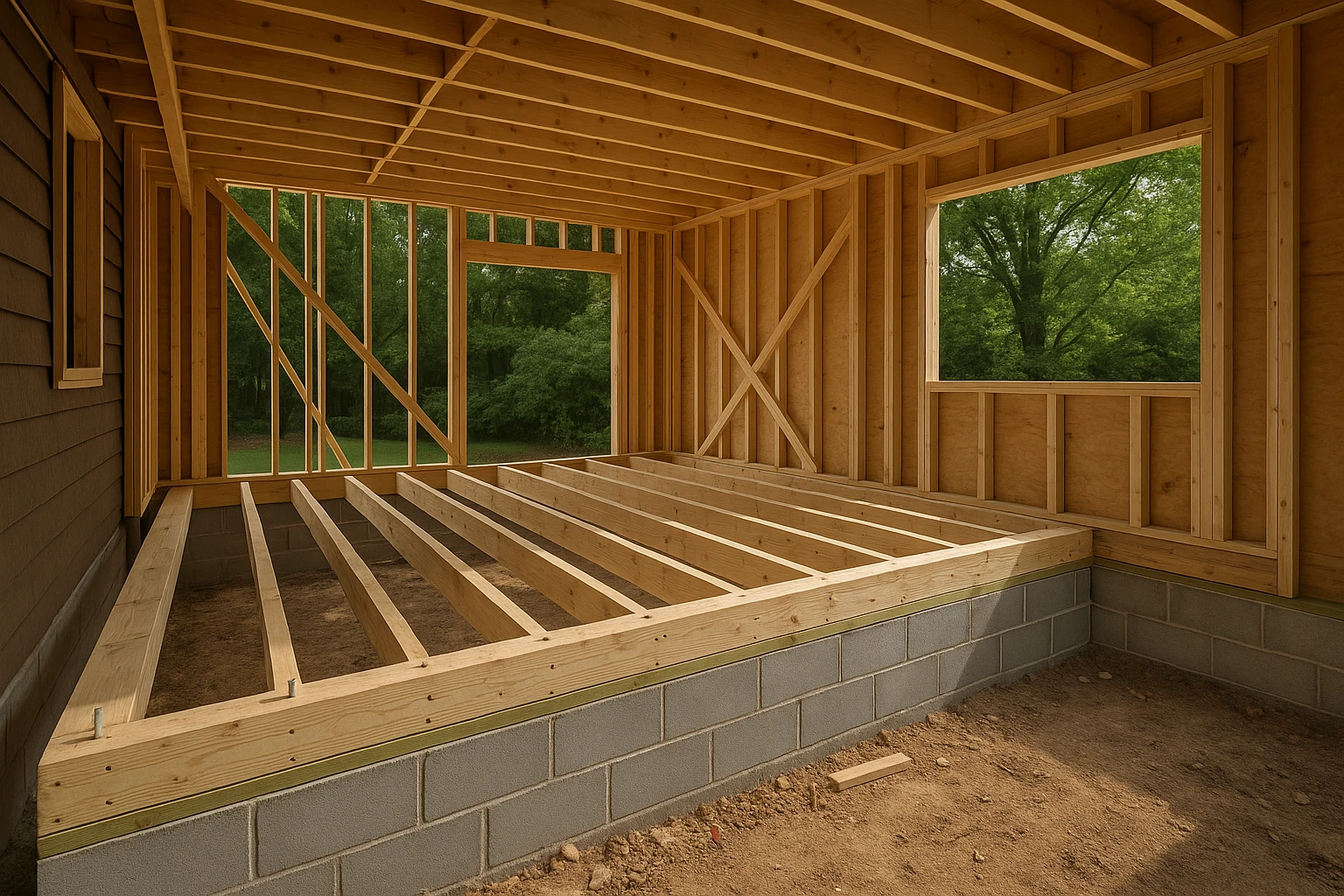
Foundation & Framing
Low ImpactWork happens outside. Some noise from nail guns and saws, but your interior is largely unaffected.
Roofing
Medium ImpactLoud. Very loud. Plan to be away during roofing days if possible. Usually 2-3 days of heavy noise.
Connection to Existing Home
High ImpactThe hardest phase. Exterior wall opened, dust barriers tested, temporary exposure to elements. Usually 3-7 days.
Mechanical (HVAC, Electrical, Plumbing)
Medium ImpactBrief utility shutoffs. HVAC connection may affect your comfort for a day or two. Coordinate timing with your contractor.
Drywall, Paint & Finishes
Low ImpactRelatively quiet. Some dust from sanding. Paint fumes are brief with modern low-VOC products. The finish line is in sight!
Frequently Asked Questions
Can I stay in my house during a room addition?
Yes, most homeowners stay home during room additions. Ground-level additions (building out) are particularly livable since work happens outside your existing walls until the final connection. Second-story additions may require temporary relocation during certain phases.
How long will I have to deal with construction disruption?
Most room additions take 2-4 months. The most disruptive phases (connection to existing home, HVAC work) typically last 1-2 weeks. Building-out additions minimize disruption since the exterior walls aren't opened until late in the project.
How do contractors control dust during construction?
Professional contractors use plastic sheeting barriers, negative air pressure systems, and seal off HVAC vents in the work area. Despite precautions, some dust is inevitable. Daily cleanup and air purifiers help manage what gets through.
What about noise during construction?
Construction typically runs 7am-5pm on weekdays. Loudest phases include demolition (1-3 days), framing (1-2 weeks), and roofing (2-3 days). Many homeowners work from coffee shops or libraries during the noisiest days.
Will I have access to my bathroom and kitchen?
For most room additions, yes. Unless you're adding a kitchen or bathroom that requires shutting off water mains, your existing facilities remain functional. Discuss specific utility shutdowns with your contractor before work begins.
Is it safe for children and pets during construction?
With proper precautions, yes. Install gates to block access to work areas, keep pets contained when workers enter/exit, and store tools and materials securely. Most contractors lock work areas at the end of each day.
Should I move out for a second-story addition?
It depends on the scope. If workers need to remove your roof or ceiling, temporary relocation (1-2 weeks) is often recommended for safety and comfort. Discuss the timeline with your contractor to plan accordingly.
How do I protect my belongings during construction?
Move furniture away from work areas and cover with drop cloths. Store valuables, heirlooms, and breakables in a secure room or off-site. Remove wall decorations near construction zones to prevent vibration damage.
The Bottom Line
Living through a room addition is absolutely doable, and most families manage just fine. The key is setting realistic expectations, preparing your home, and maintaining open communication with your contractor.
When you work with an experienced contractor, they'll help minimize disruption and keep you informed about what's coming. If you're considering a room addition, learn how we build room additions and how we make construction livable.

About the Author
Bob Coulston, Owner of Coulston Construction
Bob has helped over 500 Kansas City families navigate room additions while living in their homes. His team prioritizes communication and cleanliness to minimize disruption during construction.
Learn more about Bob →