Key Takeaways
- $15K-$45K: Range for a full aging-in-place bathroom remodel in KC
- Curbless shower: The single best investment ($6K-$15K)
- Grab bars: $150-$400 each, but only if anchored into studs
- Plan ahead: Remodel before a fall, not after one
- Universal design: Safe and stylish, never institutional
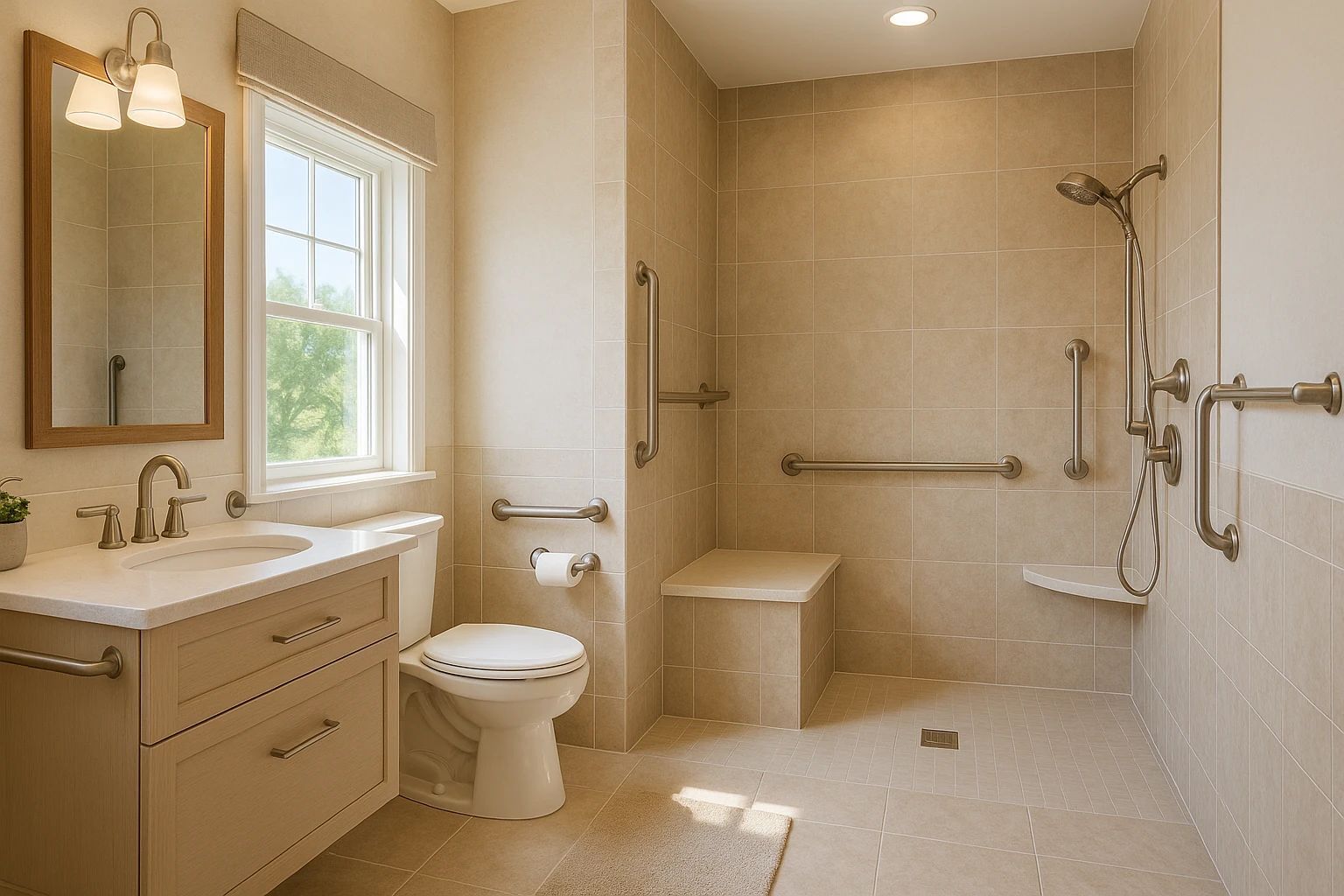
More and more of my Kansas City clients are remodeling their bathrooms for the same reason: they love their home and they want to stay in it. Not move to assisted living, not crowd in with the kids, just keep living in the house they have spent decades in, safely, for as long as possible.
I'm Bob Coulston, a 4th-generation contractor serving the KC metro. Over the years I've done a lot of these projects, and I've learned that an aging-in-place bathroom is less about gadgets and more about thoughtful design. The bathroom is statistically the most dangerous room in the house, so it's the right place to start. Here's how I think about it, and what these changes actually cost here.
The goal is what the industry calls universal design: spaces that work for people of every age and ability without looking like a hospital. The AARP HomeFit guide on home modifications for aging in place is a great free resource if you want to think through your whole home, but the bathroom is where the biggest safety wins live.
The Modifications That Matter (and What They Cost)
You don't have to do everything at once. Many of my clients start with a few high-impact safety items and build from there. Below are the upgrades I recommend most often, with realistic Kansas City pricing.
Curbless / Roll-In Shower
$6,000 - $15,000If you only do one thing, do this. Removing the shower threshold eliminates the most common stepping and tripping hazard in the bathroom and makes the space usable with a walker, wheelchair, or shower chair.
What it includes:
- • Zero-threshold entry, sloped to drain
- • Built-in bench or fold-down seat
- • Handheld shower on a slide bar
- • Reinforced walls for grab bars
Why it matters
No threshold to step over, ever
Best for
Anyone planning to stay long-term
Walk-In Tub
$5,000 - $12,000+A good option for someone who specifically wants to soak and can still step over a low threshold. The trade-off: you have to sit in the tub while it fills and drains, which takes time and can feel chilly.
What it includes:
- • Watertight door with low step-in
- • Built-in seat and grab bars
- • Anti-scald valve and quick-drain
- • Optional hydrotherapy jets
Why it matters
Soaking without a high tub wall
Best for
People who love a warm bath
Grab Bars (Properly Blocked)
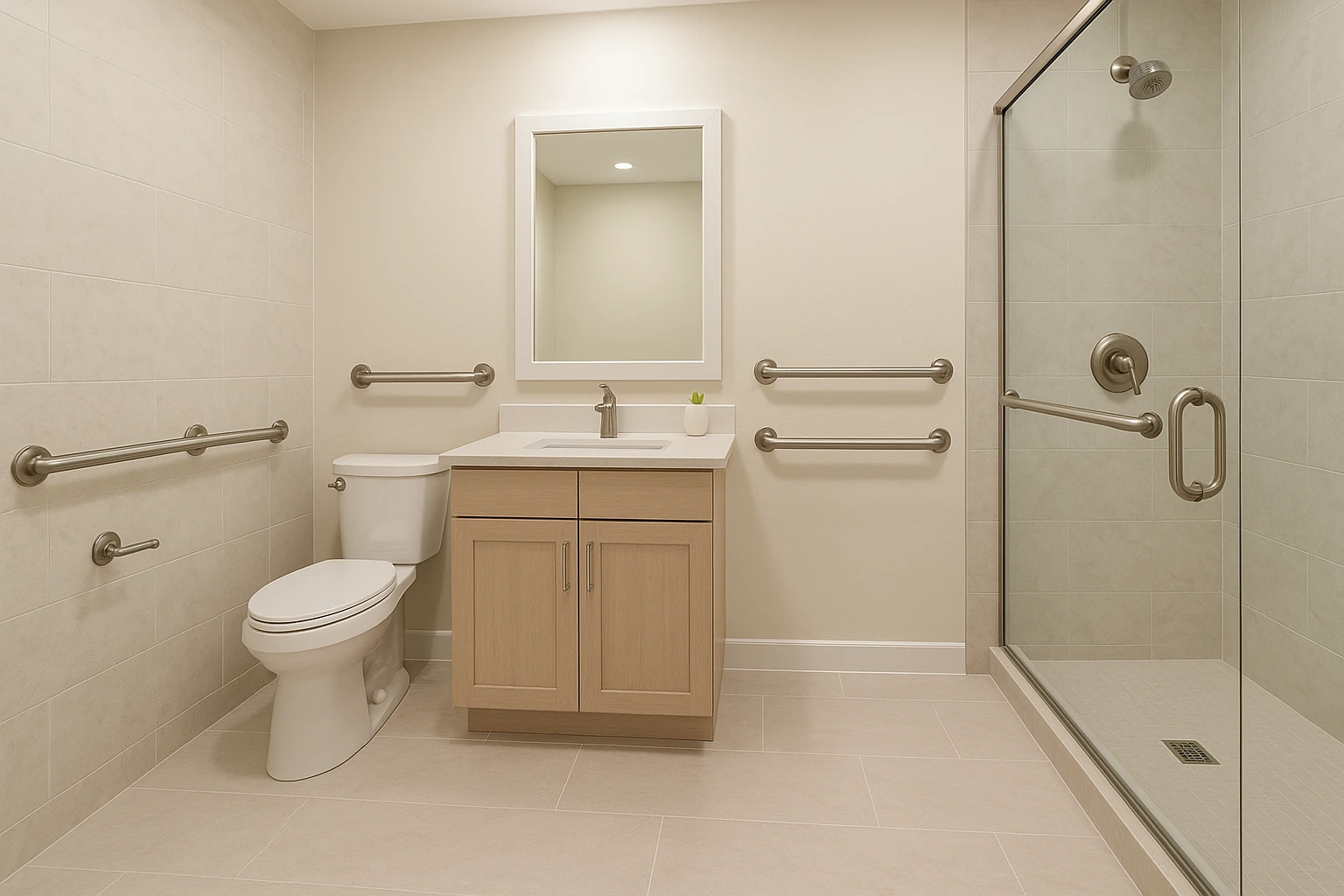
$150 - $400 eachThe cheapest upgrade with the highest payback, but only if it's done right. A grab bar must be anchored into wall studs or solid blocking, never just drywall anchors. A bar that pulls loose mid-fall is worse than no bar at all.
Where they go:
- • Beside and inside the shower
- • Next to the toilet
- • Near the tub entry
- • Stylish finishes double as towel bars
Why it matters
Support exactly where you need it
Best for
Every aging-in-place bathroom
Aging-in-Place Cost Breakdown
Here's a quick reference for what each common modification runs in the Kansas City market. Prices include professional installation; ranges depend on materials, finishes, and how much existing structure has to change.
| Feature / Modification | Typical KC Cost (Installed) |
|---|---|
| Grab bars (each) | $150 - $400 |
| Curbless / roll-in shower | $6,000 - $15,000 |
| Walk-in tub | $5,000 - $12,000+ |
| Comfort-height toilet | $400 - $900 |
| Non-slip flooring | $1,500 - $4,000 |
| Wider doorway (32-36") | $700 - $2,500 |
| Lever faucets & handles | $150 - $500 each |
| Vanity at seated (roll-under) height | $800 - $2,500 |
| Full aging-in-place remodel | $15,000 - $45,000 |
Why the Curbless Shower Wins
I keep coming back to the curbless shower because, in my experience, it prevents more accidents than anything else we install. Climbing over a tub wall or a shower curb on a wet surface is exactly how most bathroom falls happen. Take away the threshold and you take away the hazard.
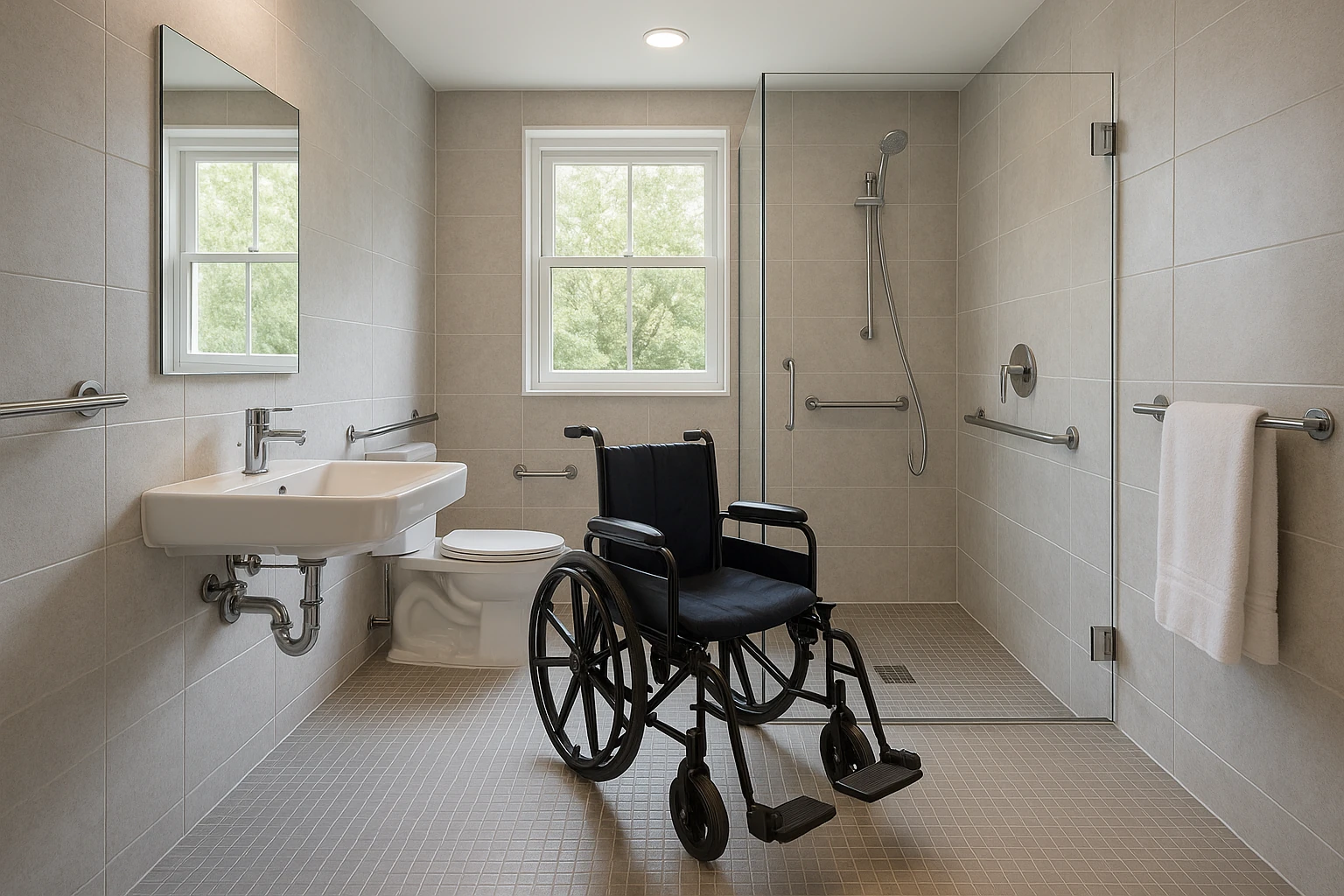
It's also the most future-proof choice. A curbless shower works whether you're walking in unassisted today, using a shower chair in a few years, or rolling in with a wheelchair down the road. Pair it with a handheld sprayer and a built-in bench and you have a shower that adapts to whatever comes. It's the centerpiece of almost every accessibility bathroom remodeling project I take on.
Lighting and Contrast for Low Vision
Vision changes with age, and good lighting is a safety feature most people overlook. I push for bright, even, layered lighting: overhead, at the vanity, and inside the shower, with no dark corners and no harsh glare off wet tile. Switches should be easy to find, and a motion-activated night light along the path from the bed to the bathroom prevents a lot of late-night stumbles.
Contrast matters just as much as brightness. If the toilet, the grab bars, and the floor all blend together, they're harder to see and use. A simple trick is choosing grab bars and fixtures that stand out against the wall color, and using flooring that visually separates from the walls so the edges of the room read clearly.
Lever Handles, Anti-Scald Valves, and the Small Stuff
Some of the most important upgrades are also the least expensive. Lever-style faucet and door handles are easy to operate with arthritic hands, a closed fist, or even an elbow, no gripping or twisting required. Anti-scald (thermostatic) valves keep the water from suddenly running dangerously hot, which protects skin that becomes more sensitive with age.
Round out the list with a comfort-height (chair-height) toilet that's easier to sit down on and stand up from, non-slip flooring that stays safe when wet, and storage placed within easy reach so nobody is stretching or bending in a slippery room. None of these scream "accessible," and that's the point.
Plan Ahead Instead of Reacting to a Fall
The hardest projects I do are the ones that start with a phone call after someone has already fallen and broken a hip. Suddenly the family is trying to make a dozen decisions under stress while a loved one is in rehab and a discharge date is looming. It's rushed, it's expensive, and it leaves fewer good options.
Planning ahead changes everything. You get to make calm, thoughtful design choices, spread the work out over time, and even build in wall blocking for future grab bars now so they can be added later in an afternoon. The best time to remodel is while you still have the luxury of doing it on your own schedule.
Safety Must-Haves
- Curbless shower – zero threshold to step over
- Grab bars in studs – rated to hold real weight
- Non-slip flooring – safe even when wet
- Bright, even lighting – plus a night light path
- Anti-scald valve – no sudden temperature spikes
- 32-36" doorway – room for a walker or wheelchair
Common Mistakes
- Grab bars in drywall – they pull right out
- Glossy slippery tile – dangerous when wet
- Waiting for a fall – rushed and costly
- Institutional look – hurts comfort and resale
- Ignoring clearances – no room to turn around
- Forgetting lighting – dark corners cause falls
Hire a Contractor Who Knows CAPS and ADA Clearances
There's a real difference between a bathroom that looks accessible and one that actually works. The details are what make it. A contractor familiar with NAHB Certified Aging-in-Place Specialist (CAPS) principles knows the clearances that matter: 32-36 inch doorways, a 60-inch turning radius for a wheelchair, correct grab bar heights, and approach space at the toilet and sink.
Those numbers come straight from ADA-style accessibility guidelines, and they're the difference between a room you can technically enter and one you can comfortably live in. The National Kitchen & Bath Association (NKBA) also publishes planning guidelines that good designers and remodelers follow. When you interview contractors, ask how they handle clearances and grab bar blocking. The answer tells you a lot.
Above all, insist on universal design. A well-done aging-in-place bathroom should feel like a beautiful, modern bathroom that happens to be safe, not a clinic. That approach keeps your home comfortable today and appealing to buyers later, since the KC metro's aging population means more people are actively looking for accessible features.
Frequently Asked Questions
How much does an aging-in-place bathroom remodel cost in Kansas City in 2026?
A full aging-in-place bathroom remodel in Kansas City typically runs $15,000-$45,000 depending on the size of the room and how much you change. A focused safety package (grab bars, a comfort-height toilet, and non-slip flooring) can start under $5,000, while a complete conversion with a curbless roll-in shower and a wider doorway sits at the higher end of that range.
What is the single best investment for an aging-in-place bathroom?
A curbless (roll-in) shower is the most valuable upgrade for most homeowners. Removing the threshold eliminates the most common tripping and stepping hazard in the bathroom, makes the space usable with a walker or wheelchair, and looks clean and modern. In Kansas City it runs $6,000-$15,000, and it benefits everyone in the household, not just the person who needs it most.
How much does it cost to install grab bars in Kansas City?
Professionally installed grab bars run $150-$400 each, depending on length, finish, and whether wall blocking has to be added. The price reflects doing it right: a grab bar must be anchored into studs or solid blocking, not just drywall anchors. A bar that pulls out of the wall when someone falls is worse than no bar at all.
Is a walk-in tub or a curbless shower better?
For most people aging in place, a curbless shower is the better long-term choice because it works with a wheelchair, a shower chair, or a caregiver and has no high wall to step over. Walk-in tubs ($5,000-$12,000+ installed) are a good fit for someone who specifically wants to soak and can still step over a 6-7 inch threshold, but you have to sit and wait while the tub fills and drains.
What is universal design and how is it different from a medical-looking bathroom?
Universal design means building a space that works for people of all ages and abilities without looking clinical. Modern aging-in-place bathrooms use stylish grab bars that double as towel bars, curbless showers, comfort-height toilets, and good lighting, none of which scream "hospital." Done well, the bathroom is safer for everyone and adds value rather than dating your home.
Should I remodel before I actually need it?
Yes. The best time to remodel is before a fall, not after. Planning ahead lets you make thoughtful design choices, build in blocking for future grab bars even if you do not install them yet, and avoid a rushed, expensive renovation while someone is recovering. Reacting to an injury almost always costs more and gives you fewer options.
Do I need a contractor with CAPS certification?
You do not strictly need it, but hiring a contractor familiar with Certified Aging-in-Place Specialist (CAPS) principles and ADA-style clearances is a real advantage. Those guidelines cover details like 32-36 inch doorways, 60 inch turning radii, grab bar heights, and anti-scald valves that make the difference between a bathroom that simply looks accessible and one that truly works.
Will an accessible bathroom remodel hurt my home’s resale value?
No, when it is done with universal design in mind it tends to help. A curbless shower, good lighting, and a comfort-height toilet appeal to a broad range of buyers, and the aging population in the Kansas City metro means more buyers are actively looking for single-level, accessible features. The key is tasteful execution rather than an institutional look.
Ready to Plan Your Remodel?
Every home and every person is different. The numbers in this guide give you a solid starting point, but the right plan depends on your bathroom, your budget, and how long you intend to stay.
If you'd like to talk it through, we offer free, no-pressure consultations. We'll walk your bathroom, point out the safety wins that matter most, and give you a realistic budget range so you can plan ahead with confidence.
About the Author
Bob Coulston, Owner of Coulston Construction
Bob is a 4th generation contractor who founded Coulston Construction 15 years ago. His team has helped many Kansas City families remodel their homes so they can age in place safely and comfortably, with a focus on universal design that is practical and good-looking. The company maintains a 5.0 Google rating with 500+ reviews and an A+ BBB rating.
Learn more about Bob →